29 Jun 2026
Player Behavior Patterns Shaping Leaderboard Dynamics in Virtual Prize Accumulation Events
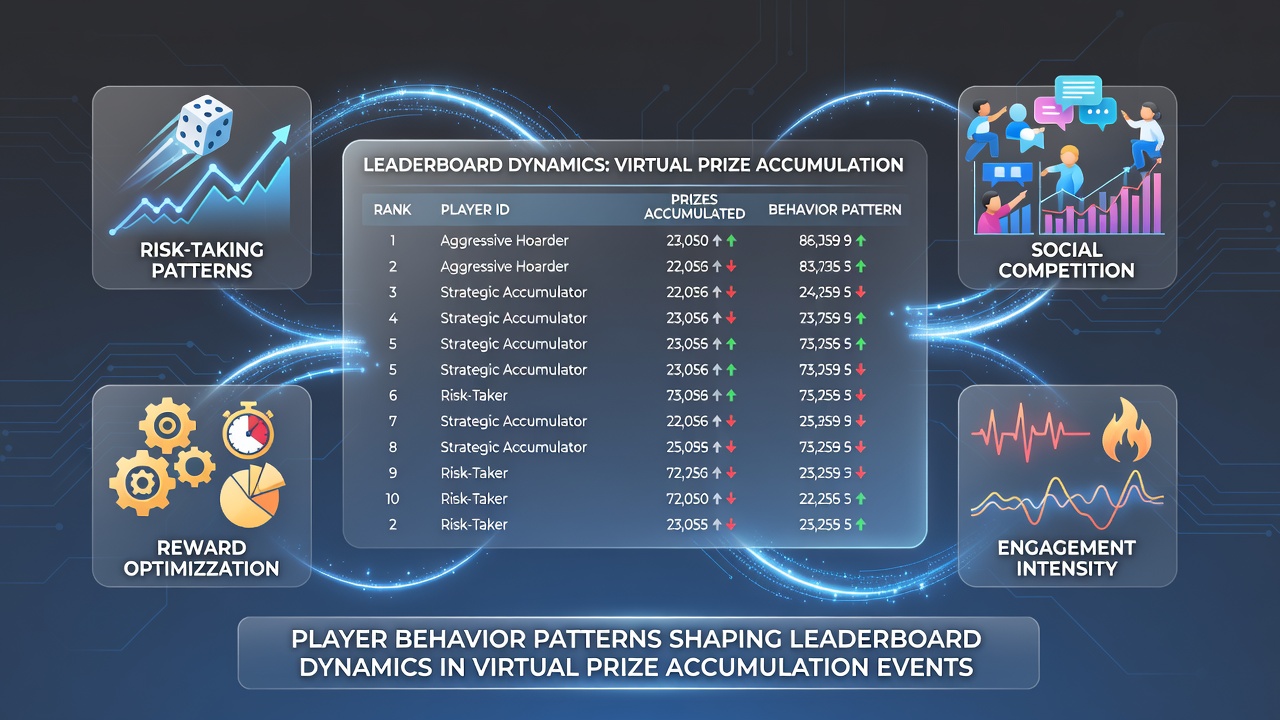
Virtual prize accumulation events have grown into structured competitions where participants collect points, tokens, or digital rewards over set periods, and leaderboard positions reflect cumulative activity across thousands of accounts. Researchers tracking these systems note that daily login streaks, session length variations, and targeted spending decisions combine to shift rankings in predictable ways, especially during multi-week campaigns that peak around mid-year updates. Data collected through platform analytics shows how clusters of players coordinate their efforts, creating ripple effects that alter visibility for everyone involved.
Core Elements of Prize Accumulation Mechanics
These events operate on layered scoring models that reward both volume and consistency, while bonus multipliers activate at specific thresholds reached by individuals or groups. Observers have documented how early-phase participation often determines mid-event positioning because initial momentum compounds through daily challenges that stack rewards. In June 2026 platform reports highlighted increased cross-device synchronization, allowing users to maintain progress across phones, tablets, and consoles without resetting accumulated totals.
Leaderboard algorithms typically factor in time-stamped actions, so bursts of activity during evening hours or weekend windows produce larger rank jumps than steady low-volume contributions spread throughout the day. Studies from academic institutions tracking digital engagement confirm that players who align their sessions with global event timers gain measurable advantages in point accrual rates.
Observed Patterns in User Activity
Analysts examining aggregated datasets identify several recurring behaviors that directly influence final standings. High-frequency participants tend to cluster around milestone rewards, completing sets of tasks in rapid succession before pausing, which creates visible surges on public leaderboards. Those focused on efficiency often prioritize high-yield activities over lower-value ones, optimizing their input-to-output ratios within the event constraints.
Cooperative subgroups sometimes emerge when shared goals unlock collective bonuses, prompting coordinated timing of actions that lift multiple accounts simultaneously. Platform metrics indicate these alliances contribute to steeper rank separations between top tiers and mid-pack competitors, since group efforts multiply individual gains beyond solo play limits. Data from industry monitoring groups shows participation spikes correlate with promotional pushes that highlight upcoming reward tiers.
Leaderboard Response to Behavioral Shifts
Rank fluctuations accelerate when large numbers of users adopt similar strategies, such as concentrating efforts on newly introduced accumulation categories. This convergence compresses the upper leaderboard segments while expanding gaps lower down, because the system redistributes visibility based on relative performance thresholds. Tracking tools used by event organizers reveal that sudden influxes of returning players after brief absences can displace established positions within hours if their accumulated totals exceed current benchmarks.
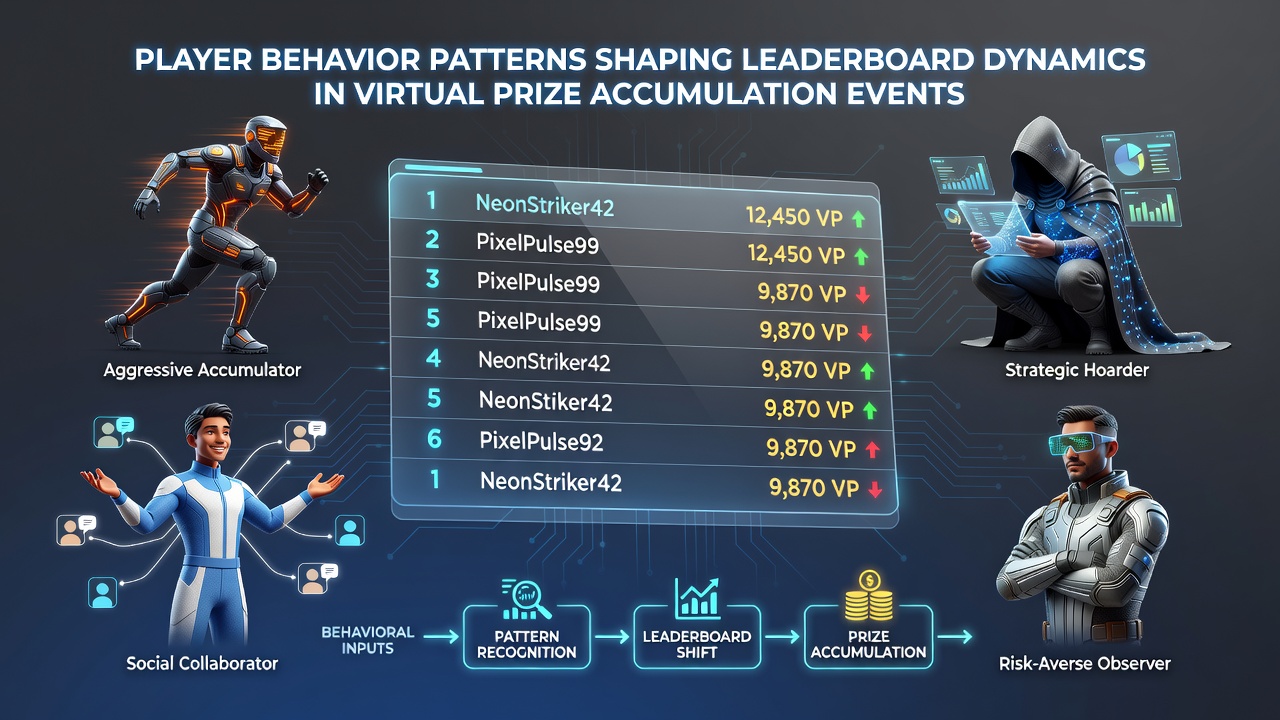
Seasonal adjustments to scoring weights further amplify these dynamics, as modified multipliers reward previously undervalued actions and de-emphasize others. Those monitoring long-term trends note that adaptation speed among active users determines how quickly new equilibrium points form on the rankings. Figures released by regulatory bodies in various regions document steady growth in event participation numbers through the first half of 2026, underscoring the role of behavioral predictability in sustaining competitive balance.
Regional and Platform Variations
Differences emerge across geographic markets because local time zones and cultural scheduling preferences shape when peak activity occurs. Platforms serving North American audiences record stronger midday engagement compared with European or Asian counterparts, where evening clusters dominate the data. Reports from organizations like the Interactive Games and Entertainment Association illustrate how these regional rhythms affect overall leaderboard turnover rates and prize distribution timelines.
Cross-platform events add another layer, as synchronization between mobile and desktop interfaces influences how quickly scores update and propagate. Research from university-led digital behavior projects demonstrates that users switching devices mid-session often maintain higher consistency in accumulation streaks, reducing the variance that can otherwise stall progress on competitive tables. Industry association summaries provide additional context on these patterns across multiple jurisdictions.
Conclusion
Player behavior patterns continue to drive leaderboard outcomes through measurable interactions between individual choices and system rules. Continued observation of activity clusters, timing preferences, and adaptation responses offers clearer insight into how virtual prize events evolve over successive cycles, with data from mid-2026 confirming sustained interest in these competitive formats across diverse player bases.