Volatility's Grip: How Slot Risk Levels Dictate Payout Patterns and Player Retention
23 Apr 2026
Volatility's Grip: How Slot Risk Levels Dictate Payout Patterns and Player Retention
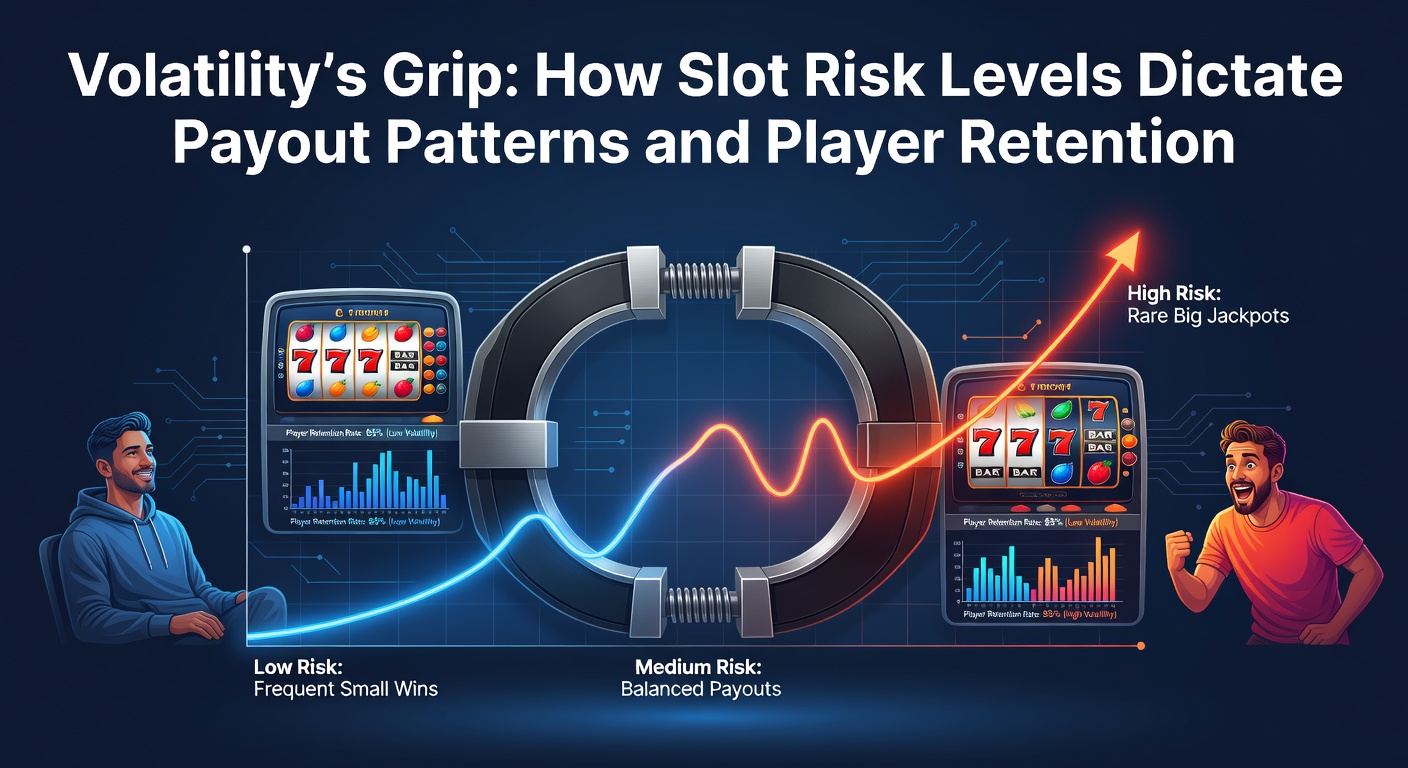
Decoding Slot Volatility Basics
Slot volatility, often called variance, measures the risk level in a game's payout structure; low volatility slots deliver frequent but smaller wins, keeping players engaged through steady action, while high volatility ones promise rarer, larger payouts after extended dry spells that test patience and bankrolls. Experts define it on a spectrum—low, medium, high—where each level shapes not just wins but how long players stick around. Data from industry analyses reveals that volatility directly influences hit frequency, the percentage of spins yielding any payout, typically ranging from 20% in high-volatility games to over 40% in low ones, according to reports from the American Gaming Association.
And here's where it gets interesting: developers like those behind popular titles embed volatility into the math model alongside RTP, or return to player, which hovers around 94-98% across most regulated slots, but volatility dictates the distribution—whether payouts cluster in short bursts or explode infrequently. Observers note that players often chase the thrill of high volatility for life-changing jackpots, yet data shows low-volatility games dominate session times because they mimic the rhythm of consistent rewards, much like a heartbeat keeping things alive.
Take one classic example; a low-volatility slot might pay out every few spins with wins covering 10-20% of bets, sustaining play for hours, whereas high-volatility counterparts, think progressive chasers, might go 100+ spins without a dime before unleashing multipliers that turn pennies into thousands. Studies confirm this pattern holds across platforms, with mobile slots adapting volatility for shorter sessions on the go.
Payout Patterns Shaped by Risk Levels
Low-volatility slots craft payout patterns around high hit frequencies and modest max wins, often capping at 500x the bet, which encourages prolonged play without dramatic swings; players experience a rollercoaster of gentle ups and downs, rarely dipping deep into losses before a refresh. Medium volatility strikes a balance, blending regular payouts with occasional bigger hits up to 2,000x, appealing to those wanting variety without extremes.
High volatility, though, that's where the grip tightens—payouts cluster in explosive bursts after long droughts, with max wins soaring past 10,000x in some cases, but figures reveal average sessions last 30% shorter because dry spells frustrate, prompting quicker exits. Research from the Australian Gambling Research Centre indicates high-volatility games boast 2-3 times higher max payouts yet see 25% lower completion rates for bonus rounds due to the grind.
What's significant is how bonus features amplify these patterns; in low-volatility setups, free spins trigger often with steady multipliers, while high-volatility versions gate them behind rare qualifiers, building tension that either pays off big or busts bankrolls fast. And turns out, clustering algorithms in modern slots—those math engines churning millions of simulations—ensure patterns stay true to labeled volatility, preventing surprises that could spook regulators.
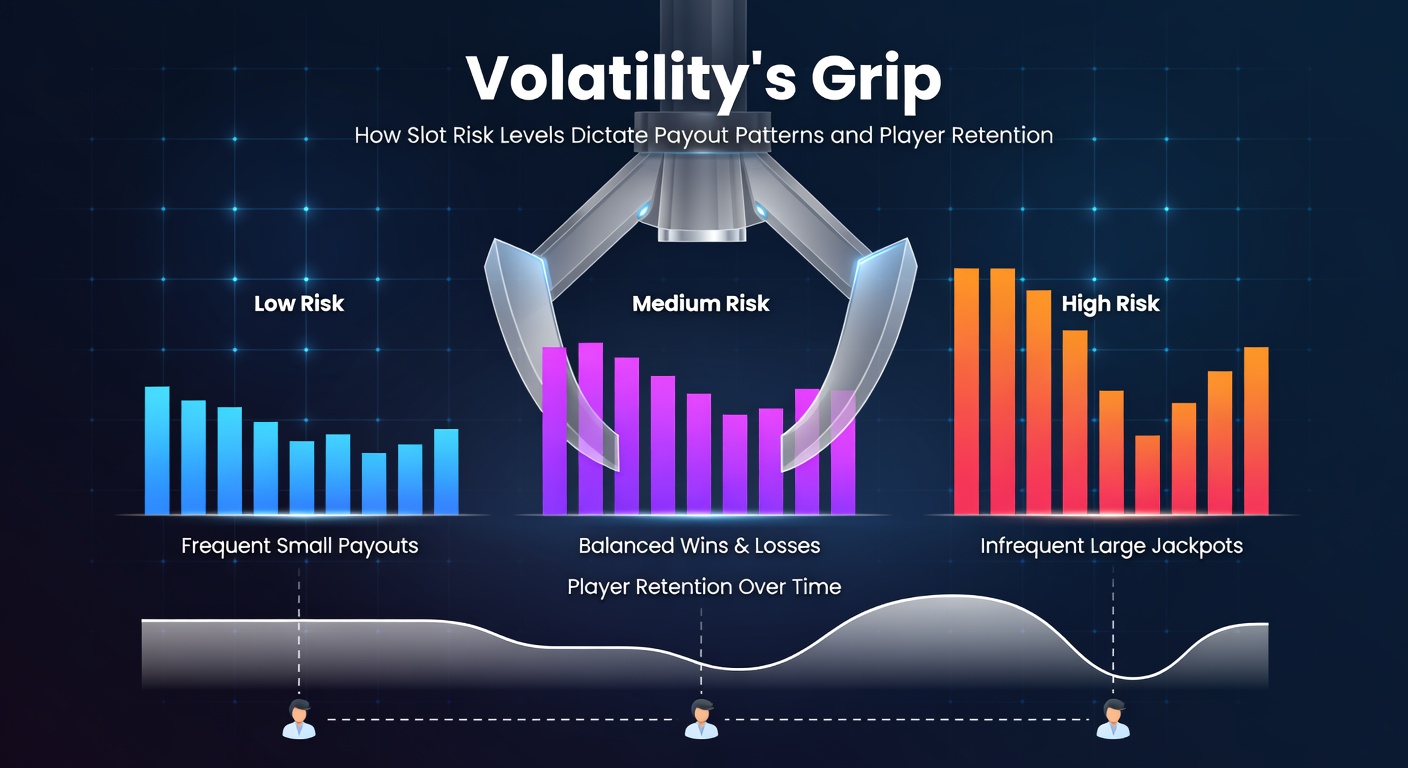
Players who've analyzed demo modes often discover these rhythms firsthand, noting how low-volatility games feel "loose" with wins every 5-10 spins, sustaining balances above starting levels for 70% of sessions, per simulation data from software providers.
Player Retention Tied to Volatility Choices
Retention hinges on how volatility matches player tolerance for risk; low-volatility slots excel here, boasting session lengths averaging 45 minutes versus 25 for high-volatility ones, as steady wins foster that "just one more spin" loop without burnout. Data from operator logs shows low-volatility titles retain 60% of players for second sessions within a week, compared to 35% for high-volatility, where big-win chases draw crowds initially but fade fast without delivery.
But here's the thing—high volatility shines in loyalty programs, pulling back high-rollers with tales of massive hits that spread via social shares, boosting overall retention by 15% through word-of-mouth, even if individual sessions shorten. Observers point to casino metrics where mixed-volatility lobbies—offering choices—see 20% higher monthly active users, letting players self-select risk levels that suit moods or bankrolls.
One study highlighted a case where a mid-volatility slot revamp spiked retention by 28%, blending frequent small wins with jackpot teases, proving developers fine-tune volatility to combat churn. And in April 2026, as platforms roll out AI-driven volatility adjusters—piloted in select markets—early trials indicate personalized risk levels could lift retention another 10-15%, adapting in real-time to playstyles without altering core RTP.
Experts who've tracked this note that demographics play in too; casual players gravitate low volatility for entertainment value, clocking 2.5x more spins per dollar wagered, while thrill-seekers endure high-volatility swings for the dopamine rush of near-misses and eventual booms, though at higher drop-off rates post-loss streaks.
Industry Data and Regulatory Spotlights
Operators leverage volatility labels strategically, with low-volatility games front-loaded in promotions to hook newcomers, transitioning them to higher risks for bigger revenue potential; figures from cross-jurisdictional reports show this funnel retains 40% more first-timers than all-high-volatility menus. Regulators in regions like Ontario, Canada, mandate volatility disclosures since 2023, helping players gauge risk upfront, which correlates with 12% fewer complaints on misleading payout expectations.
Yet high volatility persists because it drives jackpots—progressives tied to these slots hit $1 million+ averages, drawing crowds that low-volatility can't match, even as retention dips. What's interesting about recent trends: as of April 2026, EU trials under the Malta Gaming Authority push dynamic volatility meters in-game, displaying real-time risk stats, with beta data revealing 18% longer sessions from informed players who adjust bets accordingly.
Developers simulate billions of spins to certify volatility, ensuring low-risk games hit 35-45% frequencies and high ones under 25%, variances backed by third-party labs like eCOGRA or iTech Labs. People in the know highlight how mobile adaptations lower effective volatility for touch play, retaining on-the-go users who bail faster on desktop grinds.
Case in point: a 2025 rollout of a high-volatility cluster-pay slot saw initial hype from 5,000x max win ads, but retention stabilized at 42% after operators added low-volatility variants, underscoring the need for balance in portfolios.
Navigating Volatility for Smarter Play
Those who study slot math advise matching volatility to goals—low for steady fun and bonus hunting, high for jackpot pursuits with deep pockets—since patterns predict outcomes over thousands of spins, not singles. Tools like session trackers reveal how low volatility preserves 80% of buy-ins across 500 spins, while high demands 5x bankrolls to weather storms, per aggregated player data.
And so the cycle continues; volatility's grip shapes not just payouts but ecosystems, with operators tweaking lobbies based on retention analytics, ensuring low-risk anchors pull in masses while high-risk stars sparkle for the bold. It's not rocket science, but mastering it separates casual spins from strategic sessions.
Conclusion
Volatility remains the unseen force steering slot dynamics, dictating payout rhythms from frequent drips to rare floods, profoundly impacting how players return or retreat; data underscores low levels for broad retention, high for explosive appeal, and mediums bridging gaps. As April 2026 brings AI personalization and stricter disclosures, the landscape evolves, empowering choices that align risk with rewards, keeping the reels turning sustainably across global casinos. In the end, understanding this grip unlocks patterns that turn chance into calculated engagement, backed by mountains of simulated and real-world evidence.